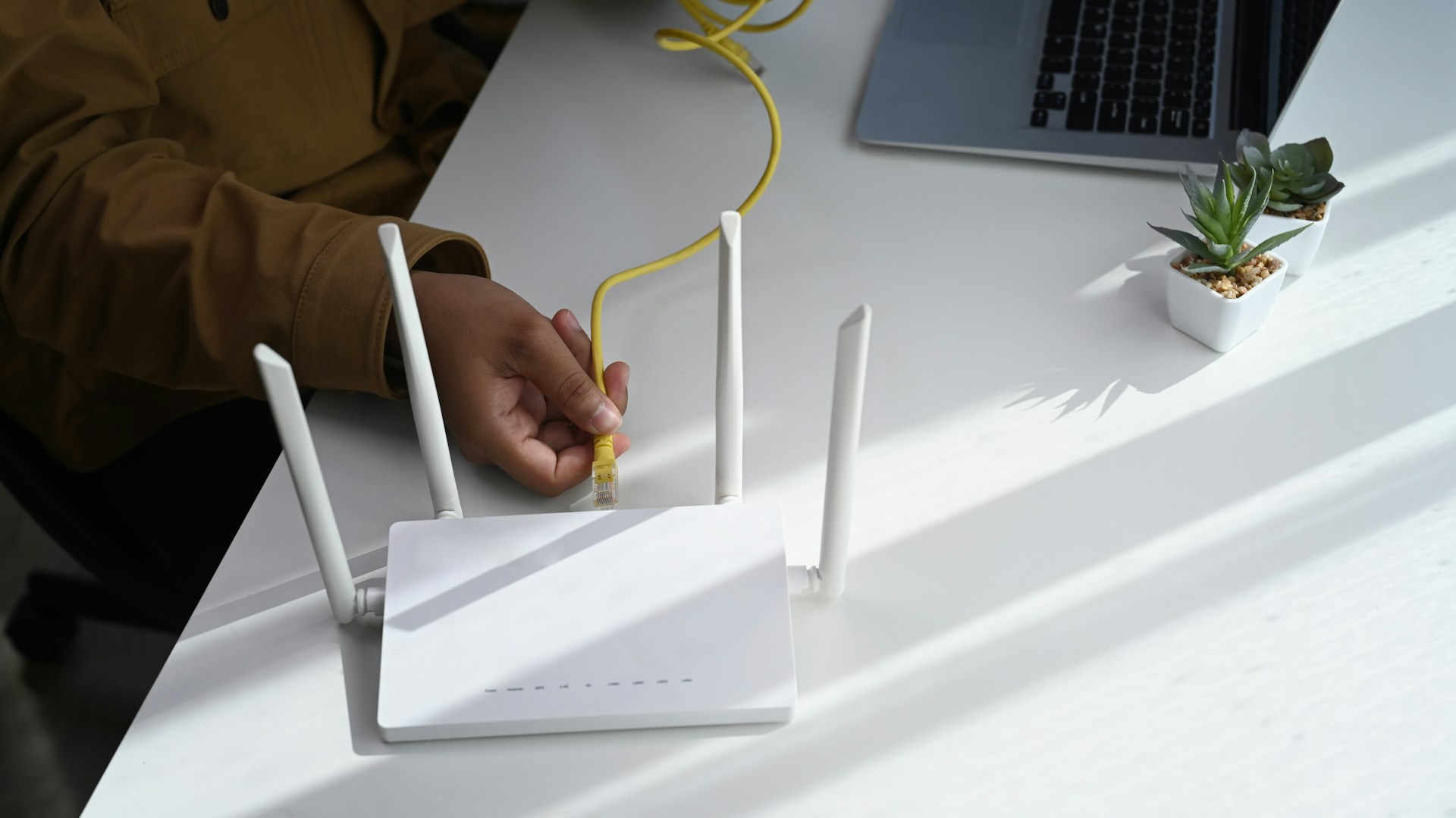

A network pentest is a test we run on a digital network to find weak points before someone with bad intentions does. It’s like checking every window and door in a house to make sure they’re locked. The goal is to see what’s open or at risk and fix it before something breaks.
When we run a network pentest, we go layer by layer. Most people focus on big, visible threats, but a good test checks the small stuff too. We break down what gets checked during a pentest, where the common blind spots are, and why doing this in the late spring makes sense, especially around Arlington, Texas, where storms, staffing changes, and system upgrades all tend to stack up this time of year.
Core Areas a Network Pentest Covers
Most of the time, if someone gets into a network, it starts from the outside. That’s why we begin with the most visible access points. These are the doors into the system, things like firewalls, exposed ports, or even connected printers that sit open online.
- We look at how firewalls are set up and whether their rules make sense. Some allow too much access that no one keeps track of.
- We scan for open ports. These are entry spots that transmit data back and forth. If too many are open or unused ones are left live, they make easy targets.
- We also flag server settings that weren’t updated after new software was installed or moved. These misconfigurations can make normal tools act in risky ways.
- In some cases, old equipment like security cameras or lobby monitors still connect to the network and don’t follow modern protocols.
All of this matters because attackers don’t always go through the front gate. They look for the one window that’s been cracked open for months, and without regular testing, we might not even know it’s there.
Avert Network Services includes penetration testing, vulnerability scanning, and configuration analysis within our Cybersecurity and Network Security package, all clearly described on our cybersecurity service page.
Internal Weaknesses Most People Miss
Even if our doorways are locked tight from the outside, it’s still possible for problems to hide inside our own setup. These gaps usually show up over time as teams grow, switch roles, or add new systems.
- One of the biggest issues is shared access that hasn’t been cleaned up. When a staff member leaves or switches jobs, the permissions they had often stay open, and that’s a problem.
- We check for user groups that haven’t been updated. Some might still give full access to systems no one on the current team should touch.
- Another piece is device sprawl. Old tablets or backup laptops that were used temporarily can still link to the system if someone forgets to disconnect them.
- Testing helps us find login paths that were once useful but now act like leftover keys we’ve forgotten about.
These issues usually go unnoticed because nothing looks wrong on the surface. But if someone slipped in through one of those old paths, they’d be hard to catch. Regular tests make invisible risks a lot more visible.
Passwords and Credential Drift
Passwords are where things often fall apart. We get busy. We reuse logins. We let browsers save them with a click. Over time, what started out strong becomes an easy target.
- We check password strength and see how often they’re reused across different systems. If one gets exposed, the rest become easier to access.
- Then we look at shared credentials. If multiple users still sign in using the same login that no one really owns, no one’s tracking how it’s used either.
- Browser-saved logins or built-in autofill settings are another risk since they bypass many common protections.
- A pentest checks these areas and scans for logins that are easy to break or old credentials still floating around.
By doing this, we’re not just looking for unsafe passwords. We’re looking for habits that may have started off convenient but now create gaps wide enough for someone to slip through.
As part of our cybersecurity support, we help Arlington businesses strengthen credentials by recommending multi-factor authentication and regular password reviews.
Timing the Test: Why Late Spring Works
Late spring is one of the better times to run a network pentest, especially here in Arlington, Texas. There are a few good reasons timing matters.
- Many companies bring in new hires this time of year, or shift team roles once tax season wraps up. That makes it a smart time to check access permissions and see what needs to change in the setup.
- As teams prepare for the summer months, a lot of regular system updates or upgrades take place now. Testing before those changes get too far makes it easier to fix issues without going backward.
- Spring in North Texas brings weather risks too. Thunderstorms and power outages can knock out services, which means systems may reboot in ways that expose weak points or lose track of logs.
By testing before the peak vacation season and summer heat rolls in, we catch small breaks that might not be obvious until the network is under stress.
Stronger Systems Start with Awareness
A network pentest isn’t about fear. It’s about having a clear picture of what’s working, what’s outdated, and what could use tightening up. It reminds us that systems left unchecked tend to drift into messy territory, even when everything feels like it’s running smoothly.
When we build regular testing into our routine, we worry less when things do go wrong. We spot weaknesses before they lead to real trouble. And instead of reacting when something breaks, we spend more time doing the actual work that keeps our business going. Prevention always beats the rush of trying to scramble for answers after the fact.
At Avert Network Services, we believe the best time to act is before something goes wrong, not after. That’s why it helps to bring clarity to weak spots with a proper network pentest, especially before team changes or seasonal updates. Whether your business is located in Arlington or you’re managing systems across state lines, testing early can prevent unnecessary stress and headaches later. Our experts can help you identify areas of concern and strengthen your setup. Reach out today to schedule a thorough review with our team.