Protecting data is one of the biggest pieces of keeping a business running smoothly, especially with everything going digital. More companies are leaning on cloud platforms, remote logins, and shared apps to get things done. That’s great for speed, but it’s also a signal to hackers that there are more ways in. Cyber security services play a steady role in helping us lock those doors before someone sneaks through.
We count on these services not just for blocking bad actors, but for helping us spot problems early, respond faster, and avoid damage in the first place. As winter starts to slow down and spring projects start getting off the ground, it’s a good time to check how we’re protecting what we build.
Common Ways Data Gets Stolen in Office Settings
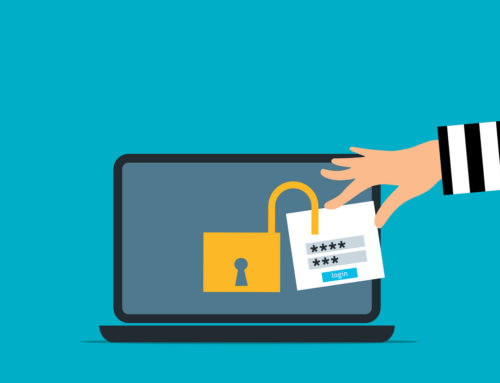
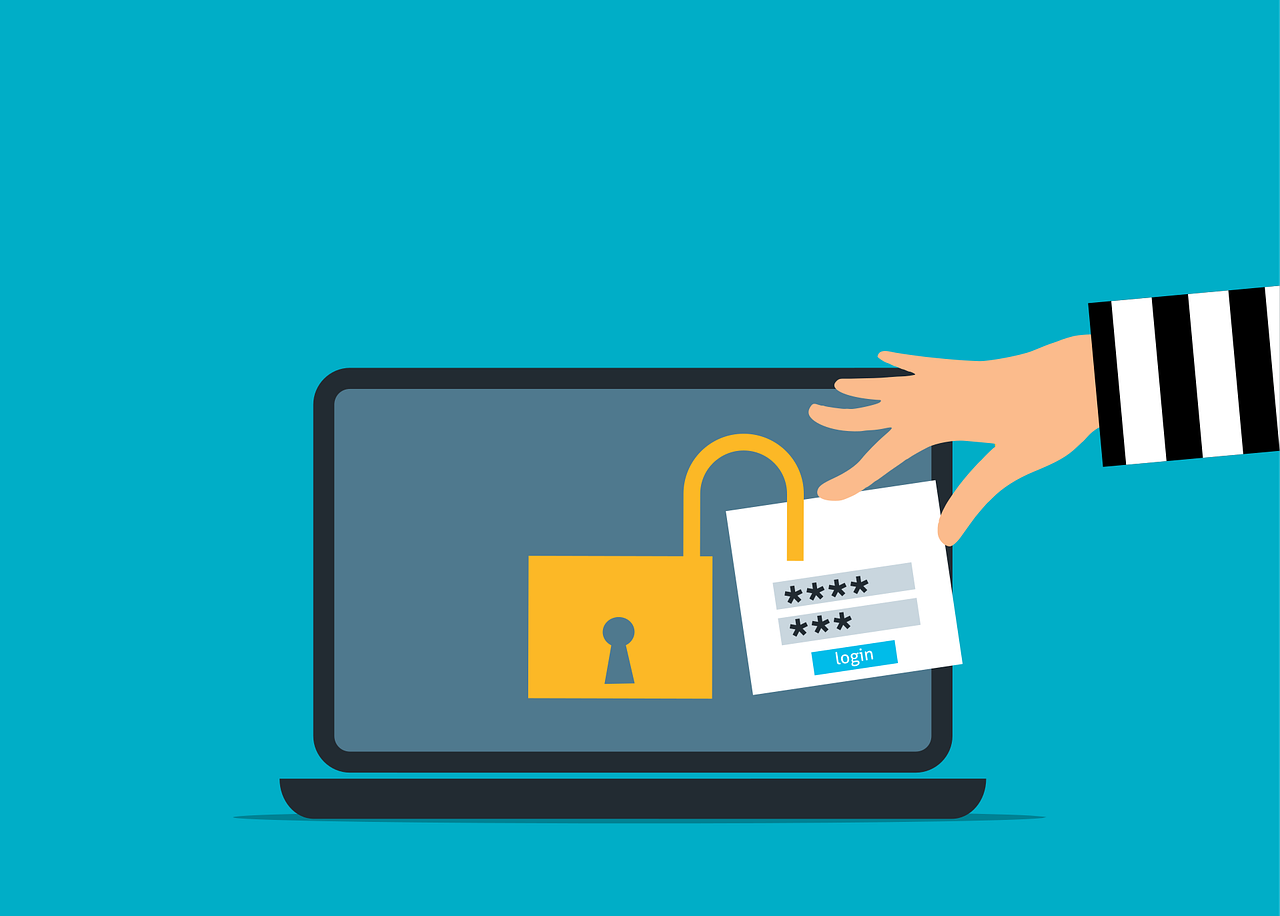
It’s not always some complex hacker technique that leads to a data breach. Many times, the door is left open by something simple.
- Phishing emails that trick employees into revealing passwords or clicking unsafe links
- Weak passwords that anyone could guess or reuse across accounts
- Unsecured Wi-Fi access that lets outsiders slip into devices or apps
Some threats come from the inside without anyone meaning harm. For example, when employees send files to personal emails so they can work from home, that adds risk. If their home network isn’t protected, a hacker doesn’t need to work very hard to grab something sensitive.
Outdated systems are another problem. When software isn’t updated, security holes are left wide open. If we’re running anything on an old device that stopped getting updates, it’s like posting a sign that says “come on in.”
Many times, we assume newer software handles all threats, but updates only cover so much. If we forget a patch or miss an update notice, that device becomes the weakest link in our protection chain. In some cases, even older printers or network gear without updates can create silent points of entry.
How Cyber Threats Affect Day-to-Day Business
When data is taken or systems are blocked, business slows to a crawl. It’s not just an IT issue, it affects everything. Projects that were already moving forward get stuck because files are locked or emails can’t be sent. Workers spend time trying to figure out what’s safe to use instead of getting things done.
Clients lose confidence when data is leaked. Even if they understand it wasn’t on purpose, it still shakes trust. Sometimes legal action follows, depending on what kind of info is exposed. That adds costs no one budgeted for.
What really stings is how long it can take to recover. Even if we catch the breach fast, restoring lost files, setting up new protections, and dealing with all the aftermath eats up days or weeks. The smoother option is having protections in place to avoid the mess in the first place. The energy it takes to regain momentum means projects are often delayed, and team morale drops along the way.
The worry doesn’t go away instantly either. Even after systems are restored, people question whether everything is secure or if something slipped through unnoticed. Doubt lingers, slowing down decisions and shifting attention away from daily work.
How Cyber Security Services Reduce Risk
Protection works best when it runs in the background all the time. That’s where services focused on security do the heavy lifting.
- Monitoring tools watch for odd behavior 24/7 and catch threats before they spread
- Built-in defenses like firewalls, antivirus programs, and smart access settings block danger at the door
- Training helps staff know what to skip or report, especially when emails seem off
Planning for how to act during a breach makes a big difference too. If something slips through, knowing who does what can save hours. It helps everyone stay calm and focused instead of guessing their next move.
Cyber security services don’t just spot problems, they help us prevent human mistakes, which still cause most issues. A combination of tech, habits, and preparation gives us the best shot at staying safe. As part of our approach at Avert Network Services, we offer 24/7 network monitoring, email filtering, and firewalls, tools that are listed directly on our cybersecurity service page.
Continued education for staff is just as important as strong passwords or the latest antivirus. The habits that people use every day often make or break our defenses. For example, someone recognizing a fake login screen or double-checking a strange email link can prevent a problem before it grows. Security doesn’t only depend on the IT department, it involves everyone.
Why Winter Is a Smart Time to Review Digital Protection Plans
Right now in Arlington, Texas, we’re past the harshest part of winter, but we’re not quite in spring. This is a quiet but smart time to check our systems, especially since cold snaps, outages, and unexpected work-from-home days are still possible.
When the internet cuts out in one part of town or power glitches hit the office, that’s when cracks in our systems start to show. If we’re not ready, people can lose access or send data across networks that aren’t protected.
Winter isn’t as packed with tasks as the spring launching season, so it gives us space to review what’s working and make changes before everything ramps up. It’s easier to spot small issues now than to deal with big problems while deadlines are racing toward us later.
Making time during these weeks helps us avoid last-minute upgrades that might not fit with our true needs. Instead of rushing to fix something after it breaks, we can plan steps, make improvements, and set up repairs slowly enough to test each change. This measured approach is often less stressful and leads to better results long-term.
Long-Term Value of Preventing a Single Data Breach
Sometimes people don’t think about security until something goes wrong, but skipping prevention catches up with us fast. Just one breach can throw off an entire week of work or more.
Stopping just one bad attempt helps us protect more than just files. It keeps our schedule tight, protects how our clients see us, and stops money from flying out the door on clean-up.
Long-term safety doesn’t have to be stressful. When defenses are there and working, we’re more confident in everything else we do. That includes bringing on new hires, launching updates, or taking on bigger workloads. The stronger our protection, the smoother these moments go.
The ripple effects don’t stop with the first event. Recovery time, added insurance checks, and stricter client contracts all come with future costs. Protecting ourselves now makes expanding or moving into new spaces much simpler, with fewer distractions or setbacks.
Making Smart Moves to Protect What Matters
Even with new software and smart apps, the basics still count. We need reliable tools, strong habits, and plans that don’t leave anything to chance. Cyber security services help us get there by catching threats early, teaching better digital habits, and setting recovery paths we can trust.
When our systems stay running and our data stays safe, everything else works smoother. Projects launch on time, clients stay in the loop, and our people can focus on their goals without worrying about what might go wrong.
The best protection doesn’t come from reacting. It comes from staying ready, staying alert, and making sure each season starts with strong systems in place.
Staying ahead of threats means making steady choices that keep our systems strong every day. For businesses in Arlington, Texas, now is a smart time to look at whether your data is truly protected or just patched together. When you’re considering the next steps for digital safety, our approach to cyber security services is designed to help you stay in control. Let’s connect to discuss how Avert Network Services can support your team’s safety and peace of mind all year long.