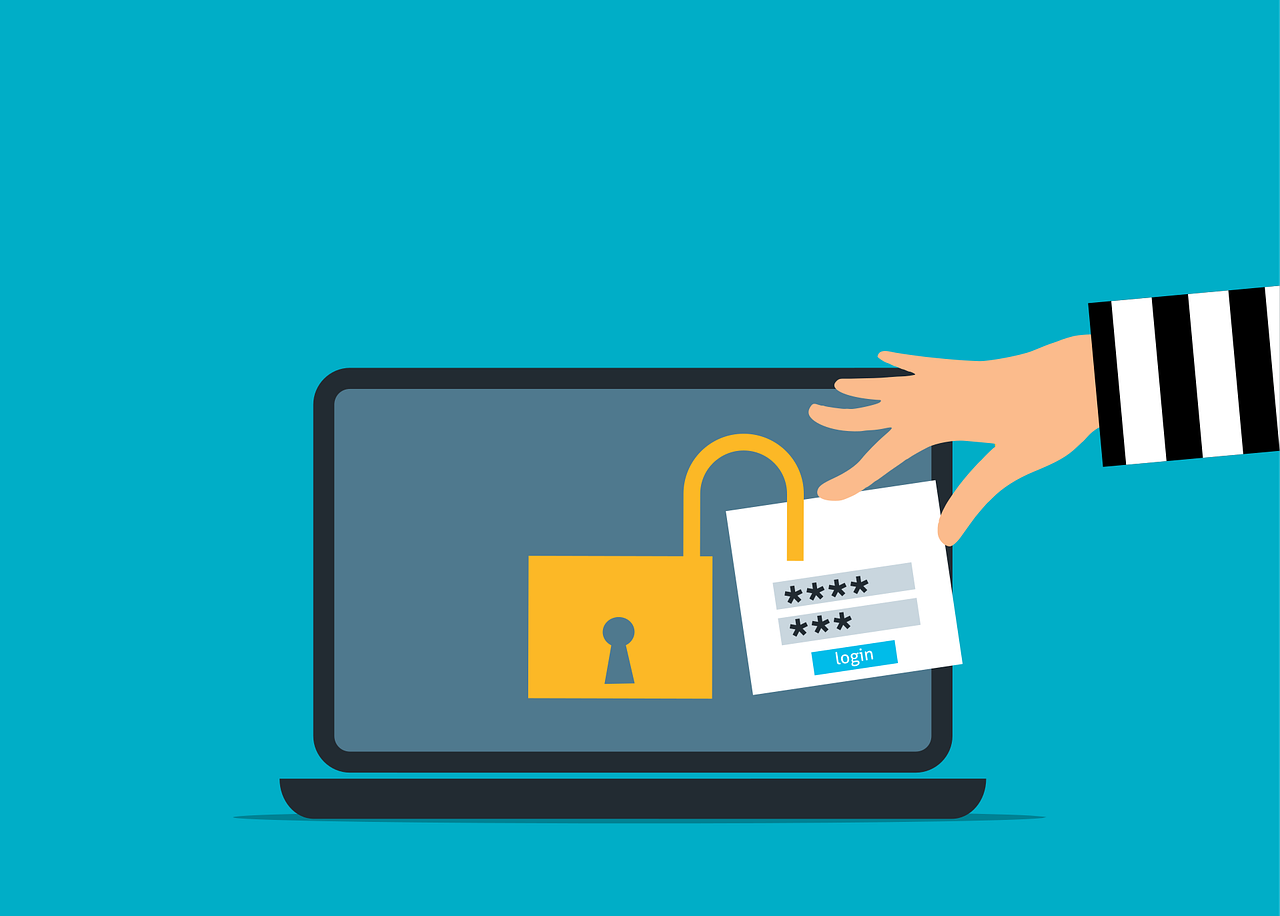
Social engineering attacks are sneaky tricks hackers use to fool people instead of hacking computers. These attacks come in many forms, each aiming to gain access to confidential business information. With the rise of digital communication, these tactics are becoming more common, making it important for every business to be aware of them. The goal is to inform and empower businesses to recognize these threats and protect their valuable data.
Understanding how social engineering attacks work is key to stopping them. Think of these attacks as digital pickpockets. Just like you protect your wallet from physical thieves, you need to guard your business from these cyber cons. Awareness plays a major role in prevention. By knowing what to look out for, businesses can better shield themselves from falling victim to these deceptions.
Common Types of Social Engineering Attacks
There are several types of social engineering attacks that businesses should watch out for:
1. Phishing Scams: These are the trickiest and most common. They arrive as emails or text messages that look real but are fake. The aim is to get you to click on a link or download an attachment, leading to trouble.
2. Pretexting: This involves someone creating a made-up story to get your information. It could be as simple as a caller pretending to be from tech support, asking for login details.
3. Baiting: Like its name, baiting is all about tempting people with a good offer or interesting content. Picture someone leaving a flash drive labeled “Bonus Payslips” in the office, and you get curious. But once you plug it in, your computer might get infected with malware.
4. Tailgating: This involves physical intrusion. It occurs when someone unauthorized follows an employee into a secure area. It sounds simple, but it’s a common way for intruders to gain access to the premises without any technical effort.
Understanding these tactics gives you a better edge in protecting your organization. By arming yourself with this knowledge, you can more effectively train your team and develop stronger security practices.
Recognizing Social Engineering Tactics
Spotting social engineering tricks can be tough, but with some sharp observation, it becomes easier. A key early sign is suspicious communications. If an email or message arrives out of the blue and pressures you to act fast or share sensitive details, it’s a red flag. Carefully checking the email address or phone number that sent the message can reveal discrepancies. Often, these messages will have slight changes in domain names or unfamiliar spellings.
Red flags can also pop up in the content of messages. Be wary of emails filled with grammatical mistakes or those with unexpected attachments. Look for urgency in the message’s tone—like requests for immediate action or statements like “urgent” and “confidential.” Also, be cautious of scare tactics or rewards that sound too good to be true.
Pay attention to behavioral cues, too. If someone is trying hard to get past security measures or digging for scraps of personal info during a conversation, that’s suspicious. Always ask yourself if the person has a reasonable need to know the information they’re requesting.
Steps to Prevent Social Engineering Attacks
Building a defense against social engineering starts with awareness and education. Here’s how you can protect your business from falling prey:
– Train Your Team: Regularly educate employees about these scams. Share stories of common social engineering scenarios so they recognize them.
– Strict Verification: Implement processes that verify identities before sharing any confidential info. Rely on internal protocols for confirming identities.
– Utilize Cybersecurity Tools: Use software that can detect phishing scams and other malicious threats to help analyze incoming communications and highlight potential dangers.
– Conduct Mock Scenarios: Run mock exercises to keep your team sharp. These simulations can address various attack tactics, ensuring employees know exactly how to respond if faced with a real situation.
Staying Vigilant: Continuous Improvement and Updates
Security isn’t a one-and-done activity; it requires ongoing effort. Regularly assess your current security measures to identify any vulnerabilities. Keep systems updated and invest time in training sessions that reinforce the importance of diligence. Encourage a culture where everyone feels responsible for maintaining security and understands its impacts.
Adaptation is your best friend. As new threats emerge, adjust your strategies to meet these challenges. Staying informed about the latest tactics hackers use equips your team with the knowledge to counteract them effectively. By fostering this culture of security awareness, your business can be better prepared and resilient against social engineering attacks.
Social engineering may seem daunting at first, but a proactive approach makes a world of difference. Understanding these attack methods is the first step. By educating employees, implementing stringent verification methods and leveraging cyber tools, your business can stand a much better chance of dodging these digital pickpockets. Remember to keep evaluating and updating your defenses to ensure they stay strong against ever-shifting threats. With consistent effort and a well-informed team, your company’s security posture will remain robust and reliable.
To ensure your business remains secure against evolving threats, it’s crucial to focus on enhancing your defenses with effective strategies. By embracing professional support, you can bolster your company’s security measures. Avert Network Services offers a wide range of solutions to help maintain a strong security posture. To learn more about how our cyber security services can safeguard your business from potential threats, explore our offerings today. Stay protected and focused on what matters most—your business’s growth and success.